Students in a Cybiotic Interaction Design Class taught by Andrew Quitmeyer at Georgia Tech created this interactive board game that allows humans to play with worms. I’m not sure how much fun this game is for the worms, but the designers, Katie Staples and Eric Hamilton, certainly created an complete project package. It has a good story, electronic detection circuitry, motivational elements, a 3D game board, and an entire “Instructable” that shows you how to build your own.
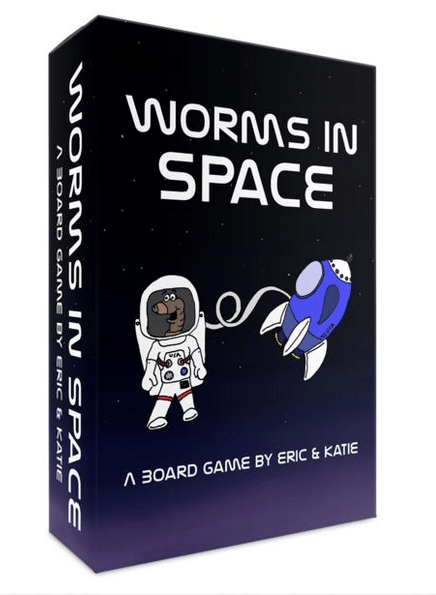 “NASA has taken worms to the ISS on their own special capsule. There was an accident aboard the station and the worm astronauts have to navigate to the escape capsule to return to Earth. The airlock to the escape capsule has been damaged but can be reached from the other side of the ship. The human astronauts are helping their wormy comrades reach the capsule by using a series of warning lights in each quadrant of the station.”
I particularly enjoyed their reflection on their project and future plans for it, which included giving the worms more control, building 2 mazes and letting the worms play each other by triggering the doors and lights. They also suggest “eliminating any ’empty space’ in the game board layout because the worms tend to migrate to those areas that a dark and quiet.”
I guess worms still win when it comes to finding dark, empty space to inhabit.

Worms in Space 3D electronic game board.
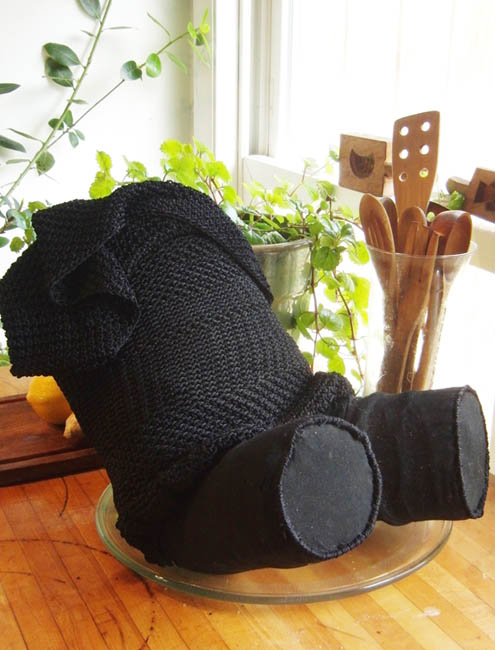 My wormy torso sits in the kitchen and I feed her scraps of my daily life while another universe of life inhabits her ”guts”. The micro-biome that inhabits our own guts are as essential to the self we navigate through the world as the worms are to this artwork.
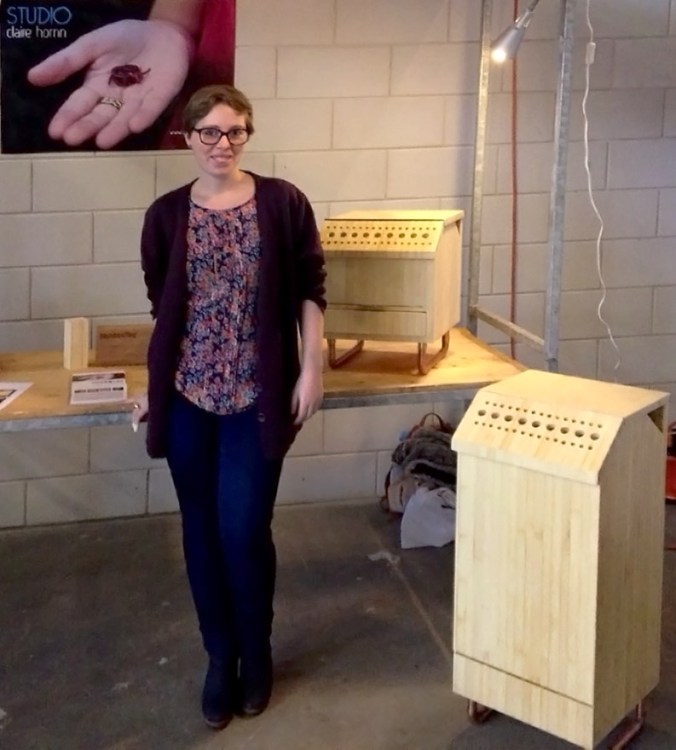
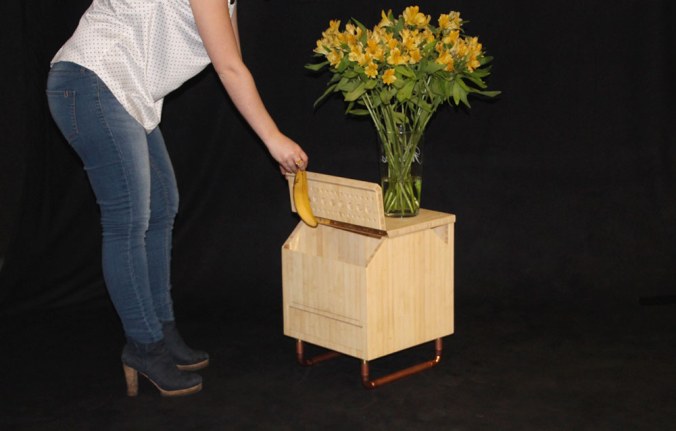 Living and working in style – with composting worms. Dutch designer Claire Hornn has just concluded a four-month-long pilot project where her hand-made, bamboo worm bins were placed in six companies in Amsterdam for evaluation.
  She discovered in her pilot program that users were asking for outdoor versions, but she points out that the composting process is more efficient at indoor temperatures. Claire describes her design motivations this way: “Vermicomposting is a great way to be more aware of your food waste and to green your home. It’s odourless and ideal for inside use. But where are the good-looking, functional designs for indoor composting? This question was the start of the Urbeen. The Urbeen is an indoor, design and multifunctional vermi-compostbin. It’s made out of CO2-neutral bamboo and can be used a compost-bin, a stool or little table. It fits easily small apartment and is therefore interesting for city-people who don’t have a garden or balcony.” Her most current designs will soon be available for sale online. Stay tuned by following her
 Worm Culture