 This new vermicomposting product fascinates me. I am so hopeful to see a product like this. I have no connection to the Bionicraft company producing it, but as an artist who has created artworks that also function as domestic worm composting ecosystems for over 10 years, I offer my critique. There are many positive things to say about it …and 2 big concerns.
Starting with the positive:
- The fact that this product exists (at least as a funded Kickstarter) tells me the world is moving in the right direction. We are finally ready to co-habitate with worms!
- The company has done an excellent job with framing the problems of food waste and presenting their product as a solution. Their advertising copy aligns with the spirit of this WormCulture blog: “…it brings nature into your urban home and redefines your waste by turning it into nutrients that feeds new life!”
- Putting this ecosystem on your kitchen countertop makes perfect sense. This is where food waste happens and the home is the ideal temperature for worm ecosystems.
- They are right in saying that there are no foul odors. From maintaining various experimental indoor worm bins over 10 years, I can attest to this.
- The product appears to have a workable solution for separating the finished compost – the removable lid at the bottom.
- The algorithmic design that has contributed to the odd shape of this product is mysterious. I’m going to guess that it has to do with creating the largest surface area, which helps aerate the system, at the lowest cost of manufacture and shipping. The inner structure identified as a regulator hole intrigues me. Is it for extra aeration?
The issues:
- The portal for food waste is too small. It will only accept a tiny handful of waste and if the waste is concentrated in that one area, it will cause anaerobic bacteria to build up and the worms will avoid that stink. In actuality, you would need to open the entire wood lid to spread the food out to take advantage of the surface area that worms need to feed in an healthy aerobic zone. Worms want to be fed a layer of food that is no more than one inch thick. Check the worm compost quickstart guide.
- It is made of plastic. Making new plastic products does not show concern for the ecosystem. What makes this design nice is that it looks like a ceramic vessel. That would have been an excellent material choice. The wood top is sweet, but questionable, since worms will eventually eat it, unless it has waterproof paint on it, which again makes me ask, why not use ceramics? Or stainless steel?
Ultimately, this is a good start for a saleable, indoor worm composting product. Though it is clearly in the beta stage, it is on a good track. Its very existence frames the problem nicely and helps educate humans about the benefits of living with ecosystems. I look forward to future iterations that go further into solving the design problems of evenly distributing food waste – and the problem of using plastics.
And even if Bionicraft does not pursue the quest to solve these design problems, surely there will be other eco creatives and green business people who will. Looks like the time is ripe for designing kitchen worm composters.

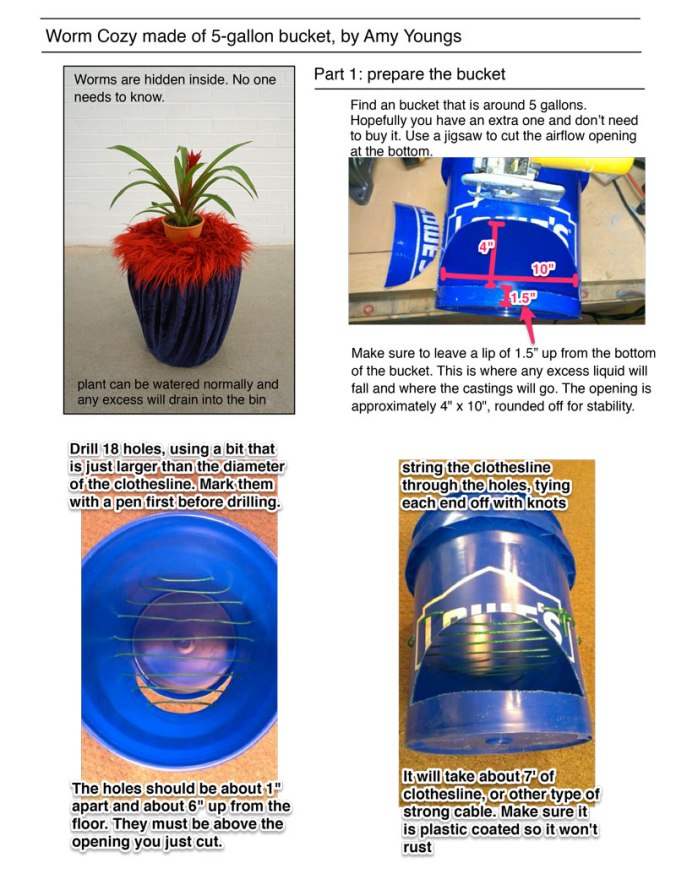
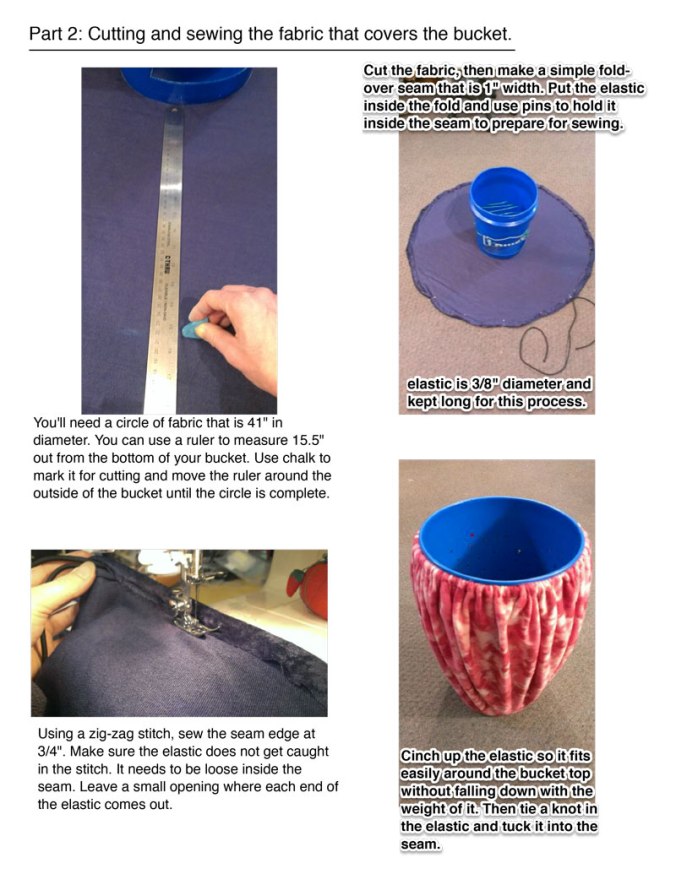
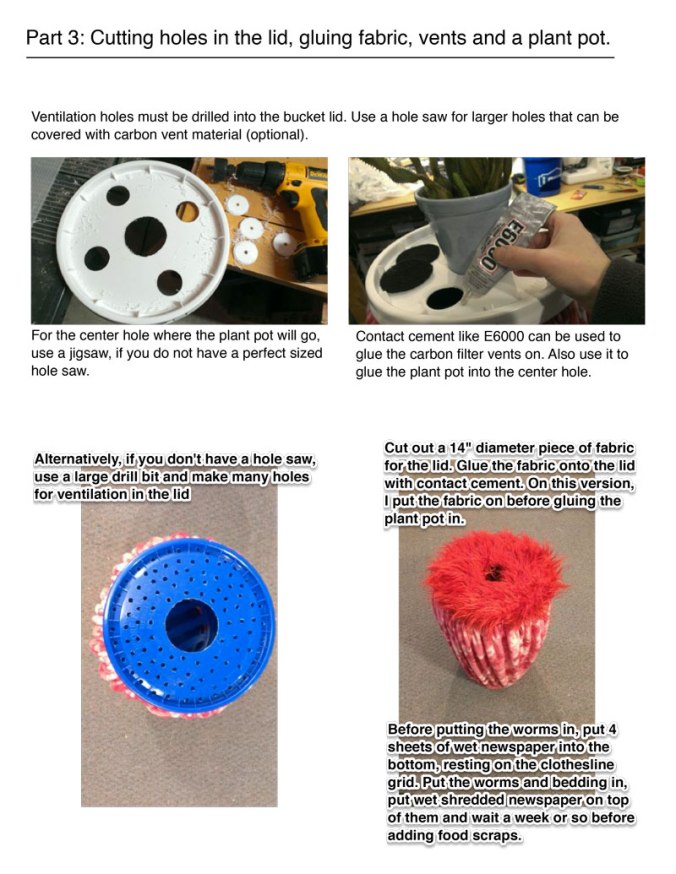
This is my diy kitchen counter worm composter called the Worm Cozy. It is based on traditional upward migration systems usually made of plastic. This one is made of thrift store stainless-steel cookpots and colanders with fabric trimming.
Copy it, or better yet, improve upon it and send me a photo. I am always looking for creative worm projects to feature in this WormCulture blog.
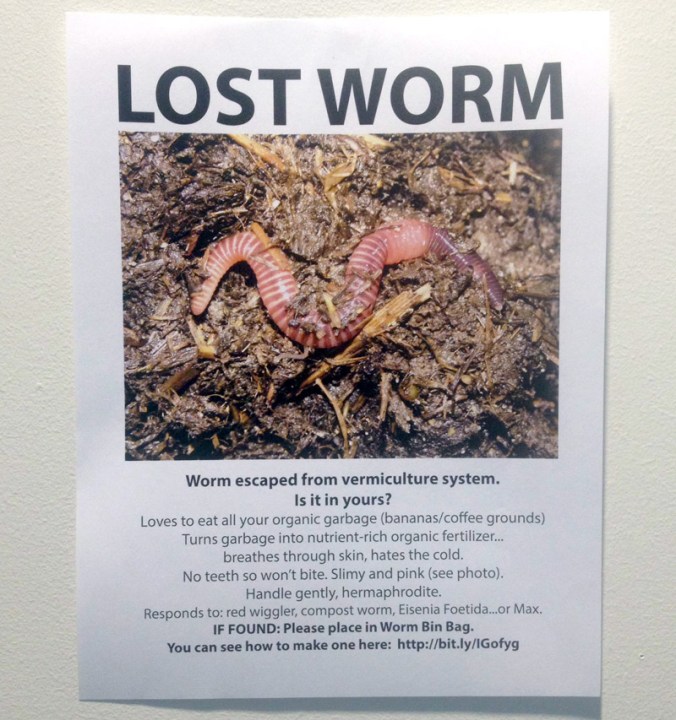 Can You Help Me Find My Worm is a street-art influenced flyer project. There are over 15 “LOST WORM” flyers posted on street poles in various neighborhoods from central to southeastern Ohio. Using absurdity, humor and the most basic technique to find a lost pet, the flyer asks the reader to consider a potential relationship between humans and worms while sharing positive aspects of keeping worms (eg. they will eat your garbage). Flyers are posted on common dogwalking routes in my neighborhood. Many people that have companion animals will read “lost pet” flyers and hopefully be amused by the absurdity. The flyer provided a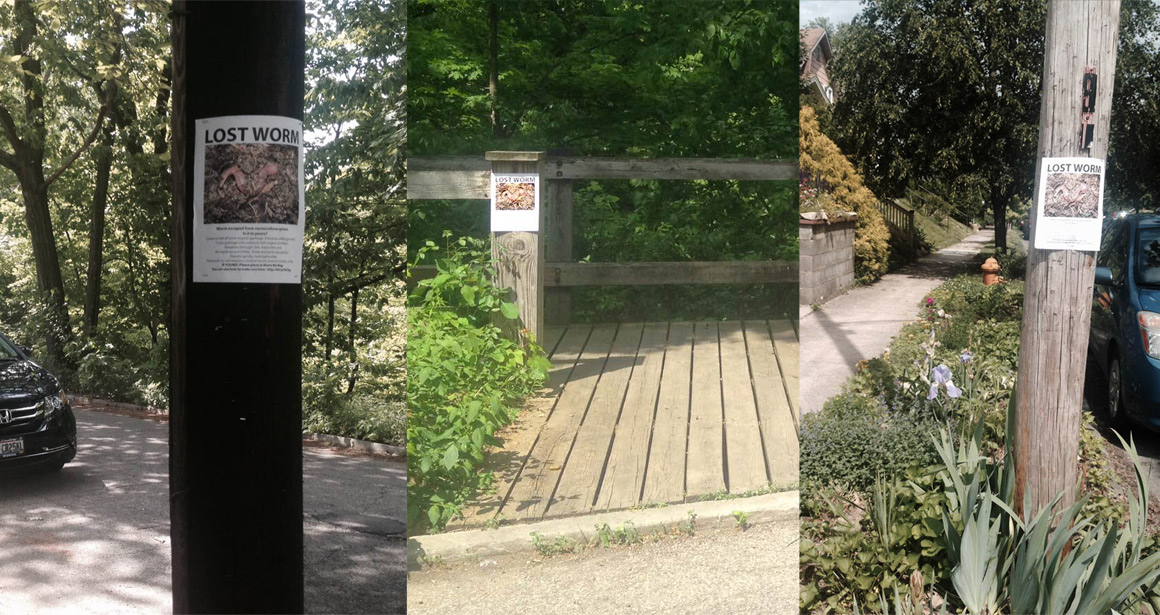

 The Gaia Cabinet is a movable furniture unit that contains soil and earthworms. It has been designed to be brought around the city to schools to educate children on how important earthworms are, how important is to limit food waste, and to recycle it by feeding it to the earthworms, who will turn it into nutrients that will enrich the soil, making it 1000 times more nutrient. By using this enriched soil children are encouraged in planting and growing their own food, and by doing so learn how healthier food from highly nourishing soil is, and at the same time are also stimulated in being more connected with nature. By encouraging children, even on a small scale, in growing their own food, Gaia Cabinet can be the way forward in ensuring that children eat healthier food, therefore breaking the power of multinational corporations that control a big chunk of a food chain mainly made of non healthy and often GMO foods. In addition, Gaia Cabinet also wants to stimulate children and people in being more respectful of nature, and by getting in touch with the earthworms who have played an important role in our lives, could make children realise the importance of the environment that surrounds us and of preventing its destruction.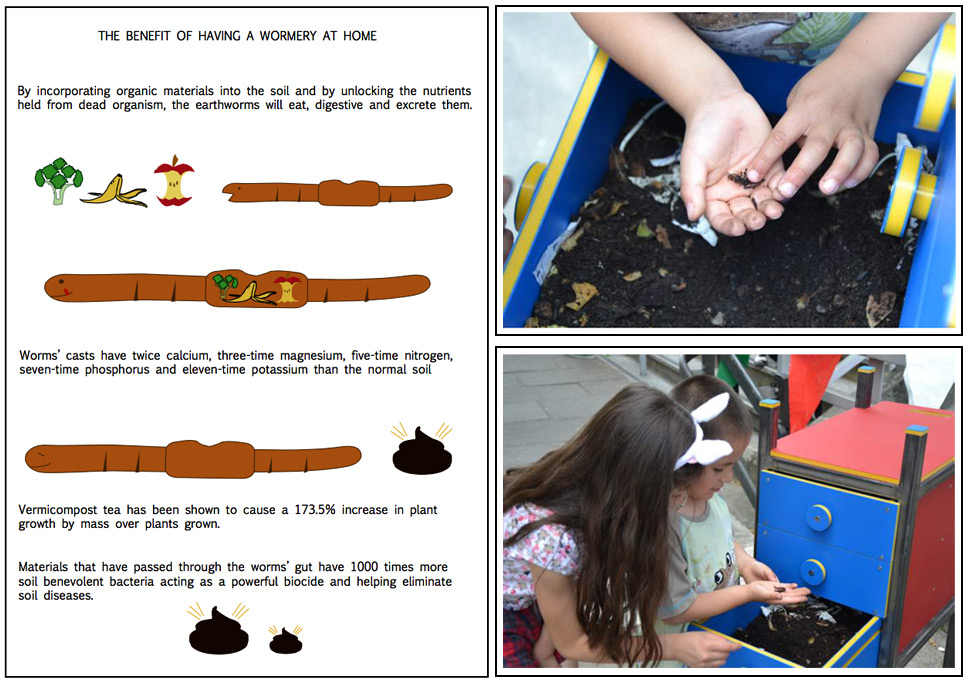
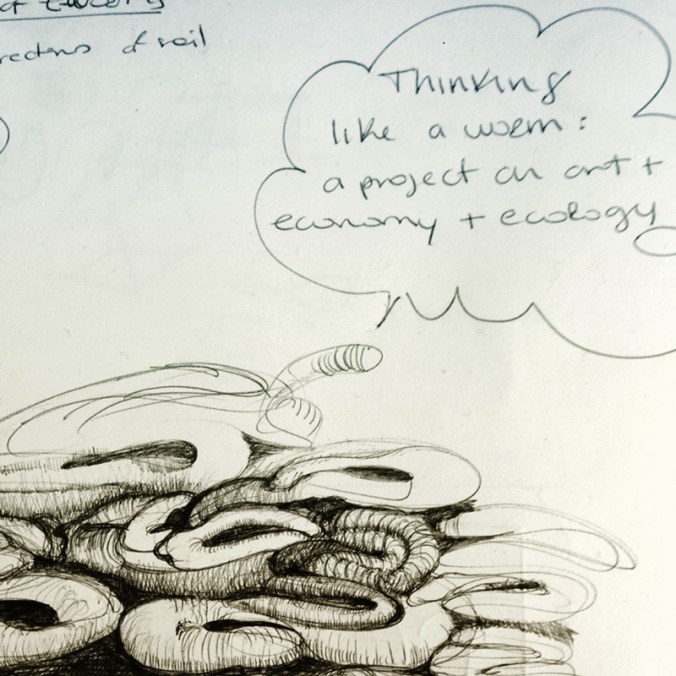 What is an e-worm? Is lumbricina or commonly know as earthworm. Why do we call it e-worm? Because worms are associated with many parasites that are harmful to humans, but by adding the letter e at the beginning of the word, we want to linguistically reclassify the identity and the function of the worm in contemporary urban culture. The sound of the prefix e gives the word a new meaning that is social and psychologically accepted; after all we all have an e-mail account.
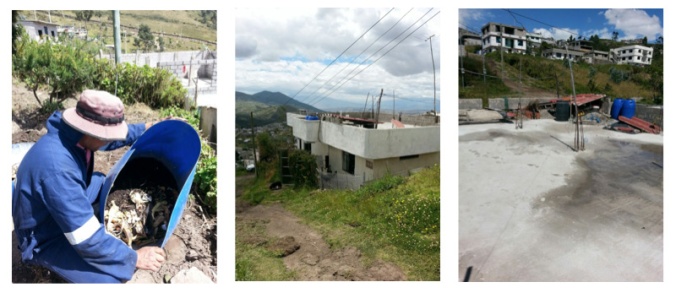 The project started in our home in Quito, Ecuador. We start by composting our food scraps by bacterial fermentation. This research let us to worms for speeding up the composting process, as well as to increase the quality of the compost. Now we need more food scraps to feed the hungry e-worm. We are asking our neighbors to be part of this project by keeping their food scraps. People are intrigued by what we are doing so we want to teach them about gardening, composting and e-worms. If you like our project, we would use the funds in two ways: 1.) a roof to cover our e-worm tanks and 2.) buckets for food scrap collection from our neighborhood. We are also designing a web site to make our process available to more people that might think that because they are living in big metropolitan areas they have no choices for their food supplies.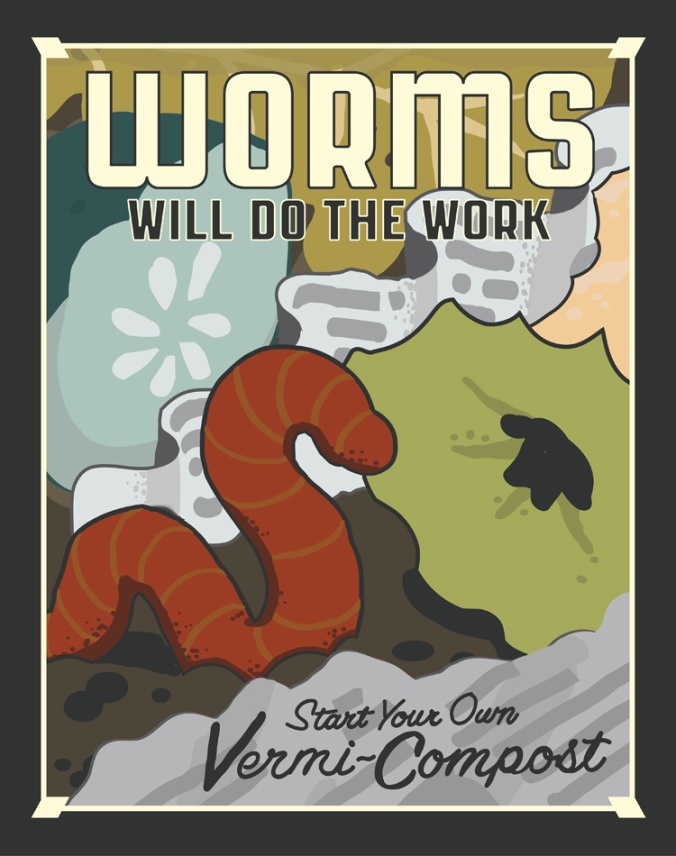


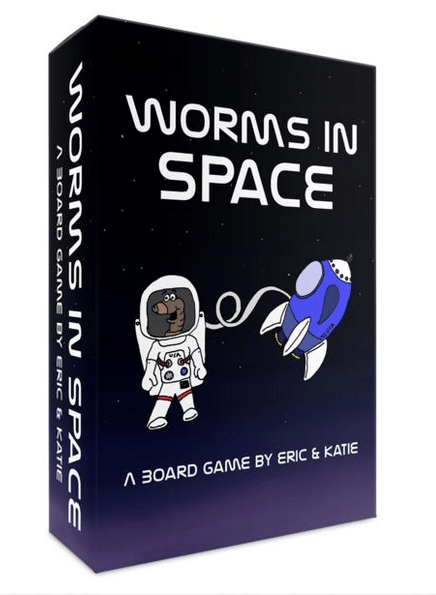 “NASA has taken worms to the ISS on their own special capsule. There was an accident aboard the station and the worm astronauts have to navigate to the escape capsule to return to Earth. The airlock to the escape capsule has been damaged but can be reached from the other side of the ship. The human astronauts are helping their wormy comrades reach the capsule by using a series of warning lights in each quadrant of the station.”

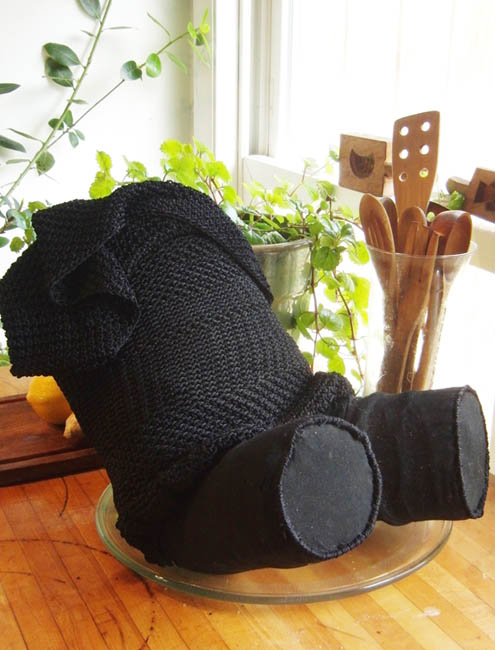 My wormy torso sits in the kitchen and I feed her scraps of my daily life while another universe of life inhabits her ”guts”. The micro-biome that inhabits our own guts are as essential to the self we navigate through the world as the worms are to this artwork.
 Worm Culture